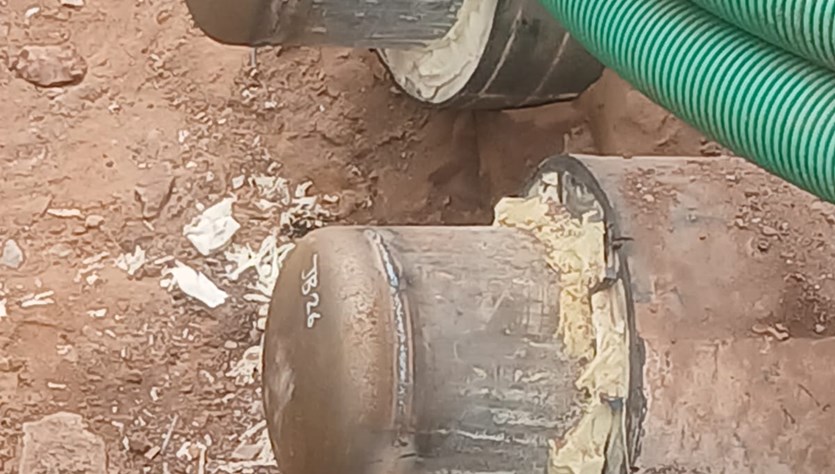
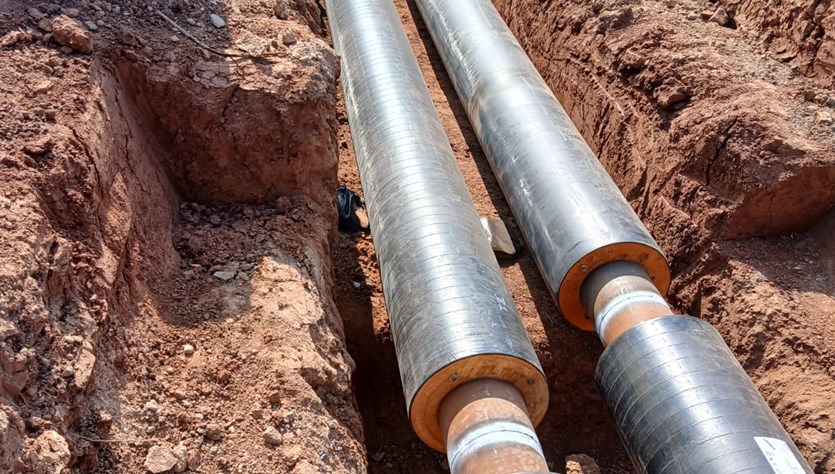
University campuses evolve over time and need heat networks which grow and develop alongside them. Vital Energi has been working in partnership with Loughborough University for 25 years to ensure their heat network can meet the needs of staff and students.
We recently sat down with the University’s Project Manager, David Bell to discuss preparing for shutdowns, reconfiguring networks and how to minimise disruption on campus.
Vital Energi: When you know you’re doing a heat network shutdown, what are your considerations?
David Bell: Firstly, you have to consider which part of the campus is involved. Our campus is split into three areas: Central, East, and West.
The East side consists mainly of teaching spaces and offices, so a shutdown there primarily affects staff during the working day.
The Central campus is different as it contains most of our student accommodation. We must be very careful about how we manage that impact. Students are our clients; they pay to live on campus, and we have a duty of care to ensure they always have heat and hot water. For that reason, we schedule most Central campus shutdowns during the summer, from June through to the end of September, when far fewer people are around.
The West side of campus has some teaching areas as well, but it also includes the Science and Enterprise Park, which is home to commercial companies renting space from us. That means close coordination is essential.
We often plan these works years in advance, making the best use of that time. We start with initial communications to let everyone know what’s planned and then liaise with the contractor. Vital Energi handles much of the detail under our oversight, bringing their technical experience and understanding of heat network systems. Once we know the timescales and finer points, we can introduce more detailed communications and engage with stakeholders to identify and resolve any potential issues.
VE: You’ve mentioned communications a few times now. How important are they on higher education projects?
DB: Communications are essential.
On this project, we were doing enabling works over the summer as part of a new 500-bed student accommodation build. A lot of the existing heat and water infrastructure ran through the area where the new buildings were going, so we had to divert those services. That also meant diverting mains cold water and both the high-voltage and low-voltage cabling.
We held a joint meeting with Vital Energi East and other contractors to coordinate everything and make sure everyone knew who was digging where and when. The cold-water work wasn’t too disruptive as it was mostly outside the main compound, but within the compound we had HV and LV works happening at the same time.
David Cooper, your project manager, managed that brilliantly. He kept everyone in the loop, worked with a senior lecturer to create a safe walkway through the site in case of emergencies, and even helped with bin deliveries and car park access. It’s those small details that make a big difference.
From the initial planning stages right through to estimating and coordination, communications were spot on. The whole team at Vital delivered exactly what we’ve come to expect, which is the reason we keep working with them.
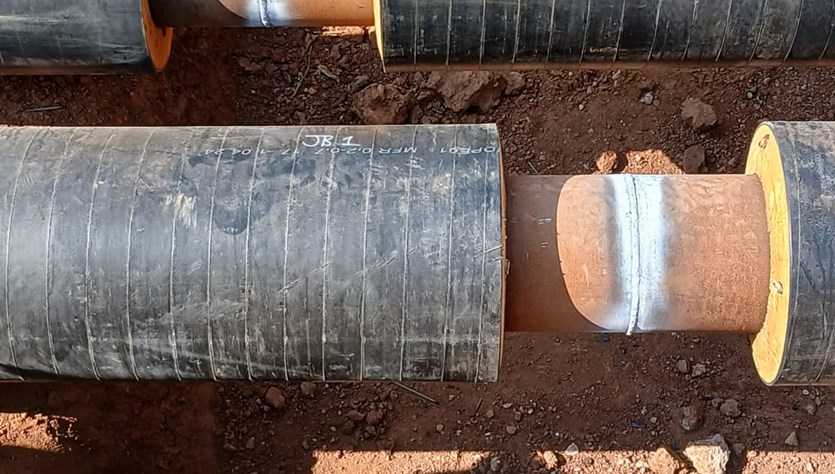
Non-Destructive Testing on the welded joints ensures the highest quality and contributes to longevity.
VE: Construction and engineering works can cause disruption, and not all projects can be delivered during the summer holidays. What levers can you pull to reduce that disruption and minimise the impact?
DB: It depends on the project, but our long lead times make it easier to plan ahead and reduce issues. If we have an emergency shutdown outside of the holidays, for example, we work closely with our Rooms and Accommodation Department to look for solutions through timetabling.
If a lecture was scheduled in a building without heat, we might move it elsewhere. Rooms and timetabling will always work together to avoid disrupting core teaching wherever possible.
Our biggest concern is always the students, so we do everything possible to keep heat and hot water running while they’re here. Sometimes it can’t be helped, but careful planning and clear communication help to minimise the impact.
It’s like a sliding scale of solutions. We aim to do everything outside of term time, but if that’s not possible, we’ll find individual solutions. Even outside of term we must be careful as graduation, for instance, is a key date that needs to be respected.
VE: Can you give us practical examples of how you worked with Vital Energi to reduce the impact on this project?
DB: The pre-construction period is critical. That’s when we issue communications to everyone involved so stakeholders can provide feedback before work starts.
Vital sent senior members of staff to the pre-start meetings and developed very good relationships with our Facilities Management team, which meant everyone knew what was happening and could keep others informed. I maintain a stakeholder map to help the project team identify who they need to speak to, and we liaise closely with Security to manage access. We also have a project management board that’s updated weekly or monthly. My role is to make sure Vital has those relationships in place and that communication stays consistent.
You can see the benefits of that planning in practice. On one occasion, there was a fire on an adjacent site, and emergency vehicles needed access through our site. Because emergency routes had already been factored in and protected at the planning stage, everything went smoothly.
VE: So responsiveness is also important?
DB: Absolutely. Some issues need fast resolution, and Vital are very strong in that area. Your project manager shared his mobile number with everyone who needed it and responded quickly whenever issues arose.
Vital are also proactive in branding their site fencing with contact details, which makes it clear how to provide feedback or raise a concern, and those queries are resolved promptly.
VE: University campuses are constantly changing and evolving. What can you do to make sure your heat network keeps up?
DB: We’ve known for five years that we were going to build this new student accommodation, so we planned accordingly. We’ve also got a ten-year plan, which means anything we do now complements that bigger picture and is future proofed. Having a long-term view is essential.
VE: Are here any areas you feel are undervalued, but if you do them right, your project goes more straightforward?
DB: We live in a world of technology, but there’s still no substitute for the personal touch. When Vital has a project, I’ll call, arrange a site meeting, have a coffee, and we go through the drawings together. That kind of open, two-way discussion sets the foundation for a good partnership.
Everyone is flooded with emails these days, so that face-to-face contact at the start makes a real difference. Also, that’s when you can start helping them to understand your culture.
VE: No two campuses are the same. How much work goes into helping contractors understand yours?
DB: That’s a really important point. Vital has been working with us for 25 years now, so they know the campus well, but that experience has built up over time.
We have “Loughborough standards” and specifications, and most Universities will have variations of their own. They’re all clearly set out in our ITT documents, which help contractors understand the technical expectations. But you also have to learn the culture of how the university operates.
The project manager on this job came straight from another higher education project, but he quickly realised that methods and procedures which worked elsewhere wouldn’t necessarily work here. He listened, adapted, and came up with the right solutions for our environment.
We also do simple things like sharing the academic calendar, identifying sensitive dates, and connecting contractors with curriculum and facilities management teams. It’s about building a full picture of how the site functions.
VE: So trust becomes a big issue?
DB: Absolutely. I can’t be on site eight hours a day, it’s just not realistic. My job is to communicate what’s needed, set the required standards, and then trust the contractor to deliver. I provide oversight, not micromanagement.
That’s why experience and a strong track record are so important. Good contractors work to the right quality and standards, and we make sure that happens without needing to watch every move.
VE: If you get the invitation to tender right, does that solve many of the technical challenges?
DB: It certainly helps. We don’t use external cost consultants; we estimate project values ourselves and apply to our special projects team for funding.
Our framework contractors have already met the necessary standards, and the ITT documents set out the scope of works, specifications, and procedures. We assess bids on both price and quality.
There’s always a temptation to go for the cheapest option, but that can cost far more in the long term. Especially with district heating systems, it’s important to have the right expertise… you need absolute confidence that your contractor knows what they’re doing.
VE: How would you rate Vital’s approach?
DB: You met every single expectation, and in some cases, you went above and beyond, which was great to see.
VE: You’ve managed your heat network successfully for over 25 years now. What advice would you give to organisations just starting out?
DB: Technically, I’d say build resilience into your design. Our network is designed so we can isolate certain branches and redirect heating through others. That means we can shut down parts of the system while still delivering service elsewhere, which is a big help during reconfiguration works. You can’t overstate the importance of resilience.
More broadly, build strong relationships with your contractors. There’s real comfort in knowing you’re working with professionals you can trust.
Finally, don’t focus solely on price… aim for value. Budgets are tight, and value for money is essential, but long-term infrastructure has to last. Choosing the cheapest option can cost far more in maintenance, repairs, and operational issues later.