A new system of heat networks has taken a step closer to reality with a specialist partner now in place to deliver the next phase of the project.
Heat networks – sometimes referred to as district heating – use a number of larger sources of heat which is distributed to consumers, via a network of water-carrying underground pipes. This system can provide heating, hot water and also cooling.
Rather than relying on individual gas boilers or electric heaters in each building, the approach effectively creates a shared heating system that has the ability to service thousands of homes and businesses
Following a competitive tendering process, Vital Energi has been appointed to help develop and deliver the project which will enable businesses and eventually some homes across the west and north of Plymouth to connect and save on the cost of heating.
As part of the agreement, Vital Energi, who have a proven track record with a similar successful projects in Leeds, Glasgow and Solihull, will develop, invest in, deliver, operate, maintain and expand the heat networks, working with the Council from planning, through delivery, to operation.
Plymouth was one of a small number of UK cities selected for the Government’s heat network ‘Advanced Zoning Programme’ in 2024 and since then, the Council has been progressing plans for the first phase of the system.
A key advantage of heat networks is the ability to harness waste heat from existing local sources such as manufacturing processes, water treatment and data centres. This type of heat is typically low-cost, helps to strengthen energy security and offers a more stable and lower carbon alternative to conventional energy sources.
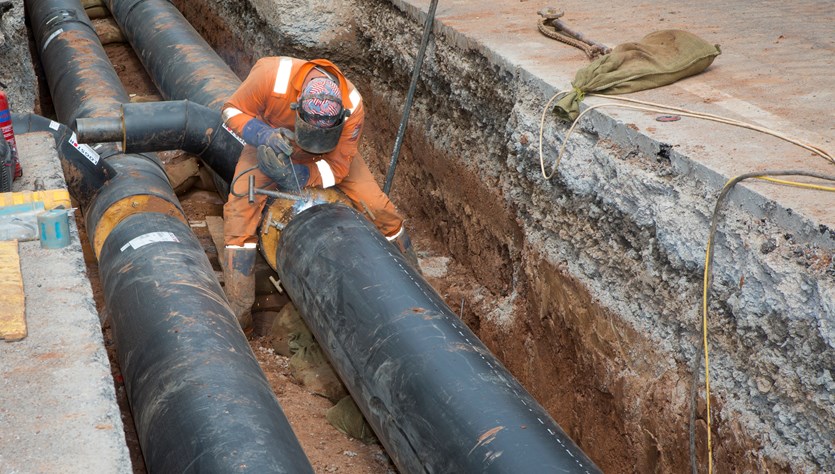
Vital Energi have delivered similar successful schemes in Leeds, Glasgow and Solihull
Mike Cooke, Managing Director of Vital Energi, added: “This new heat network unlocks massive opportunities for Plymouth’s businesses and local community.
“We’re looking forward to meeting potential customers to map out the positive prospects of connecting to the scheme will bring.
“What makes this Advanced Zoning Programme scheme truly exciting is that it isn’t just about making the city’s energy infrastructure more secure and resilient, it’s a long-term economic boost that brings direct investment and new jobs to the community.”
The emerging masterplan identifies two core zones, the precise boundaries of which will be consulted on next month.
The first, covering the southern and western parts of the city, centres on major waste heat sources including the South West Water Central Plant and the Devonport Energy from Waste facility.
The second zone focuses on Derriford in the north of the city, drawing on heat from the NHS medical waste incinerator and expanding the existing ground source heating system at Marjon University.
While early phases will begin with business and commercial buildings, the longer-term ambition is to extend the network to support social housing and, in time, wider residential areas.
The initial phase of zonal roll out is expected to start in 2028 with the first buildings expected to receive heat in 2029. The network will expand over time across the two zones.
Find out more about heat networks and the upcoming consultation at www.plymouth.gov.uk/heat-networks
