As a leading provider of innovative energy solutions, we spend every day helping our clients to decarbonise, build resilient infrastructure and move closer to the UK’s net zero goals. We don’t just provide solutions – we also aim to lead by example. It’s not only about the projects we deliver, but about how we run our own business: making sure our people, sites and offices minimise negative impacts on the environment and maximise the positive.
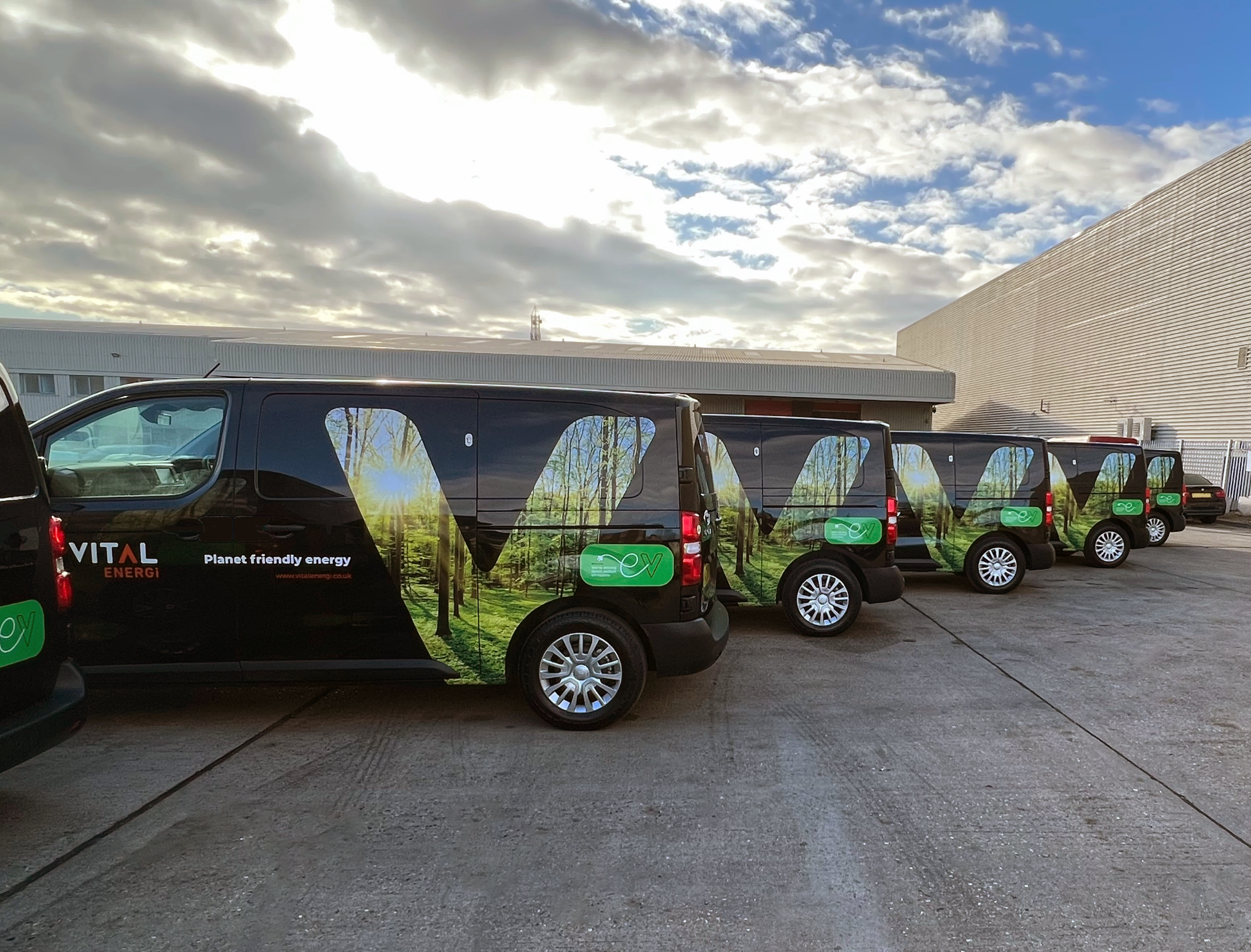
We have a clear ambition to reduce our greenhouse gas emissions in line with climate science, and to play our part in the UK’s transition to a low-carbon economy. To do this, we are taking a whole-business view of our carbon footprint and how it will change as we grow. Working with carbon management specialists Greenly, we have re-baselined our greenhouse gas emissions and developed a full-scope decarbonisation plan. This gives us a much clearer picture of where our carbon emissions come from and how we can reduce them over time. As this work progresses, we will continue to refine our targets and priorities, focusing first on the areas where we have the greatest ability to influence outcomes and where our decisions today will have the biggest long-term impact. In 2026, we will publish our first Climate Transition Plan, developed in line with the Transition Plan Taskforce (TPT)’s Disclosure Framework and guidance.
With over 800 colleagues across the UK, the everyday choices our people make really matter. We actively encourage everyone at Vital to play their part in reducing our environmental impact – from cutting energy use in our offices and sites, to making lower-carbon travel choices, reducing single-use materials and improved recycling facilities. At our larger sites, we are investing in practical measures that make it easier for people to choose greener options, such as an electric-vehicle charging infrastructure powered by on-site renewables, and more energy-efficient office and welfare facilities. These changes may be small in isolation, but together they build a culture where climate action is part of how we work every day.

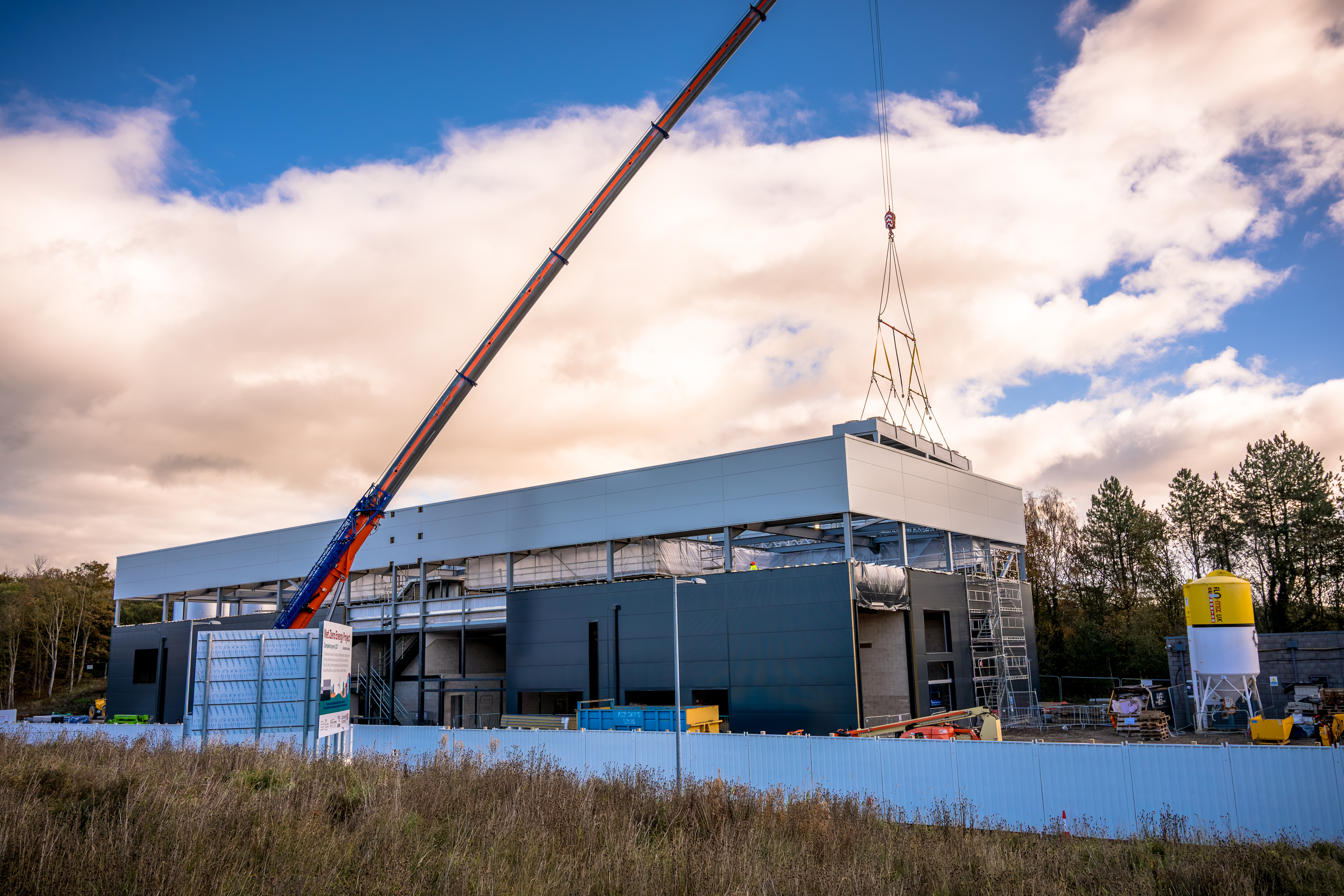
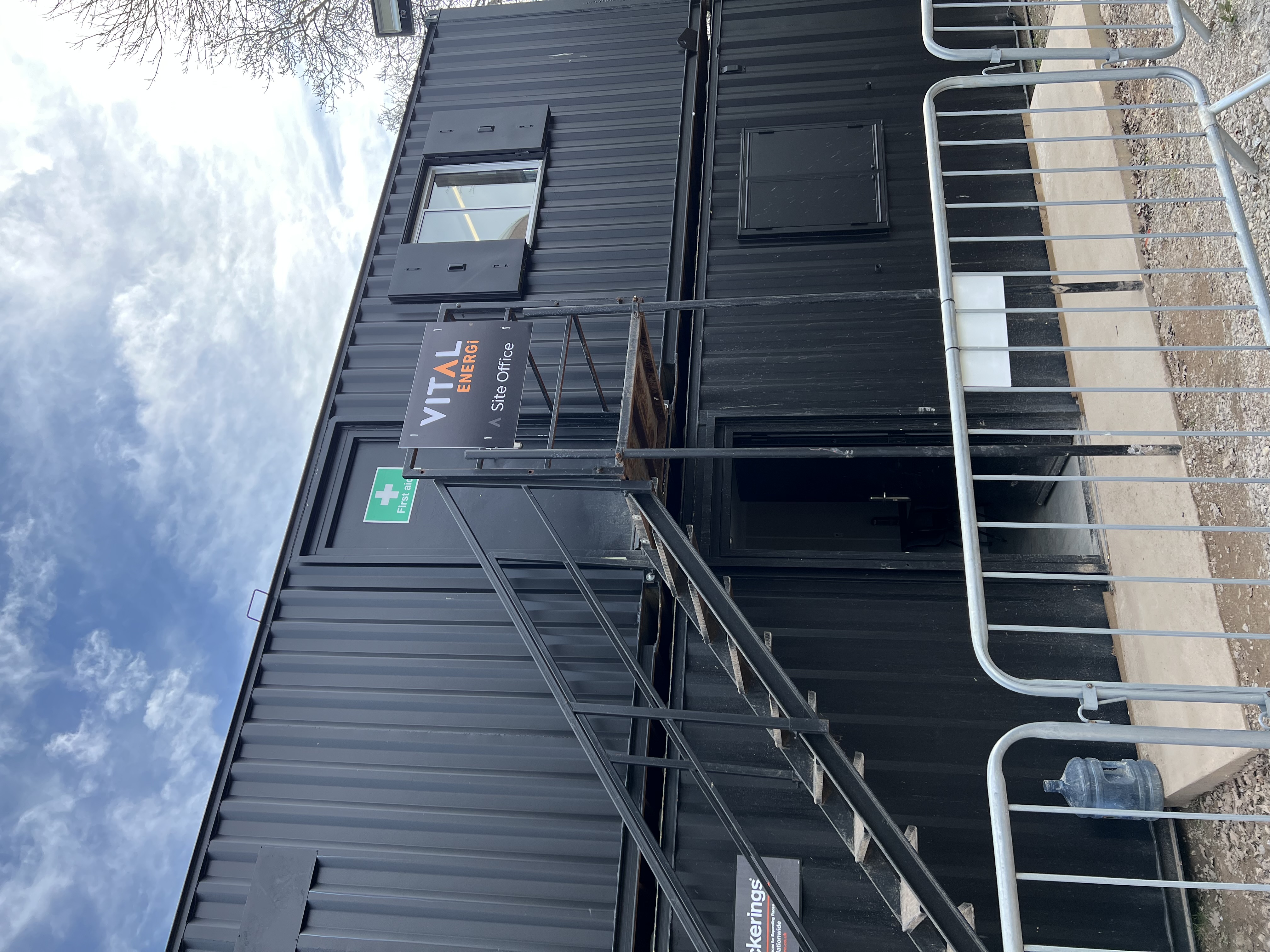
A significant share of our carbon footprint is associated with how we design and deliver projects on site. That’s why this year we launched a cross-functional programme to embed minimum environmental standards for site set-up and operation, improving consistency while reducing our environmental impact. This includes optimising the layout and energy performance of site cabins, using more efficient lighting and fencing solutions, and working with key suppliers to access lower-carbon alternatives for temporary accommodation and equipment. As this framework matures, we will continue to learn from our projects and share good practice across the business to that every new site performs better than the last.
The transition to low-carbon energy depends on responsible resource use and resilient supply chains. We are committed to advancing circular economy principles across our operations, designing projects to use materials efficiently, extend asset life and reduce waste. Across the project lifecycle, we look for opportunities to design modular systems that can be reused or repurposed. We work with suppliers to increase recycled content where it’s technically and commercially viable. We also prioritise repair, refurbishment and reuse before replacement.
We work throughout with waste specialists such as Go Green and Beyondly to maximise reuse and recycling, and to meet our obligations under packaging and electronic waste regulations. We are also making increasing use of whole life carbon assessment (WLCA) on our projects to understand the embodied carbon impacts of key materials and design choices, so that lessons learned can be fed back into future schemes. Updated site waste procedures and better carbon data are helping us track materials more closely and make better procurement decisions, keeping products and materials in use longer.

All of our workforce is covered by our ISO 14001 certified Environmental Management System (EMS). The EMS sets clear goals and responsibilities for managing environmental impacts across the business, and external audits help us identify opportunities to improve. Our commitments are set out in our Environmental Policy and Sustainability Policy, which guide decision-making on issues such as energy use, emissions, waste, pollution prevention and biodiversity. By integrating audit recommendations and policy commitments into our business planning, we aim to deliver measurable improvements year on year.
Our values, commitments and expectations don’t just apply to our own people. A large proportion of our environmental impact occurs in our supply chain – through the materials, products and services we procure. Guided by our Sustainable Procurement Policy and Supplier Code of Conduct, we work collaboratively with suppliers to uphold high environmental, social and governance standards. We expect our partners to comply with legal and ethical requirements, to look for ways to reduce their own environmental footprint, and to support us in delivering low-carbon and resource-efficient projects. Over time, we are strengthening our approach to supplier engagement on climate – focusing first on high-impact categories, and looking at practical ways to share data, build capability and support the development of credible decarbonisation pathways.
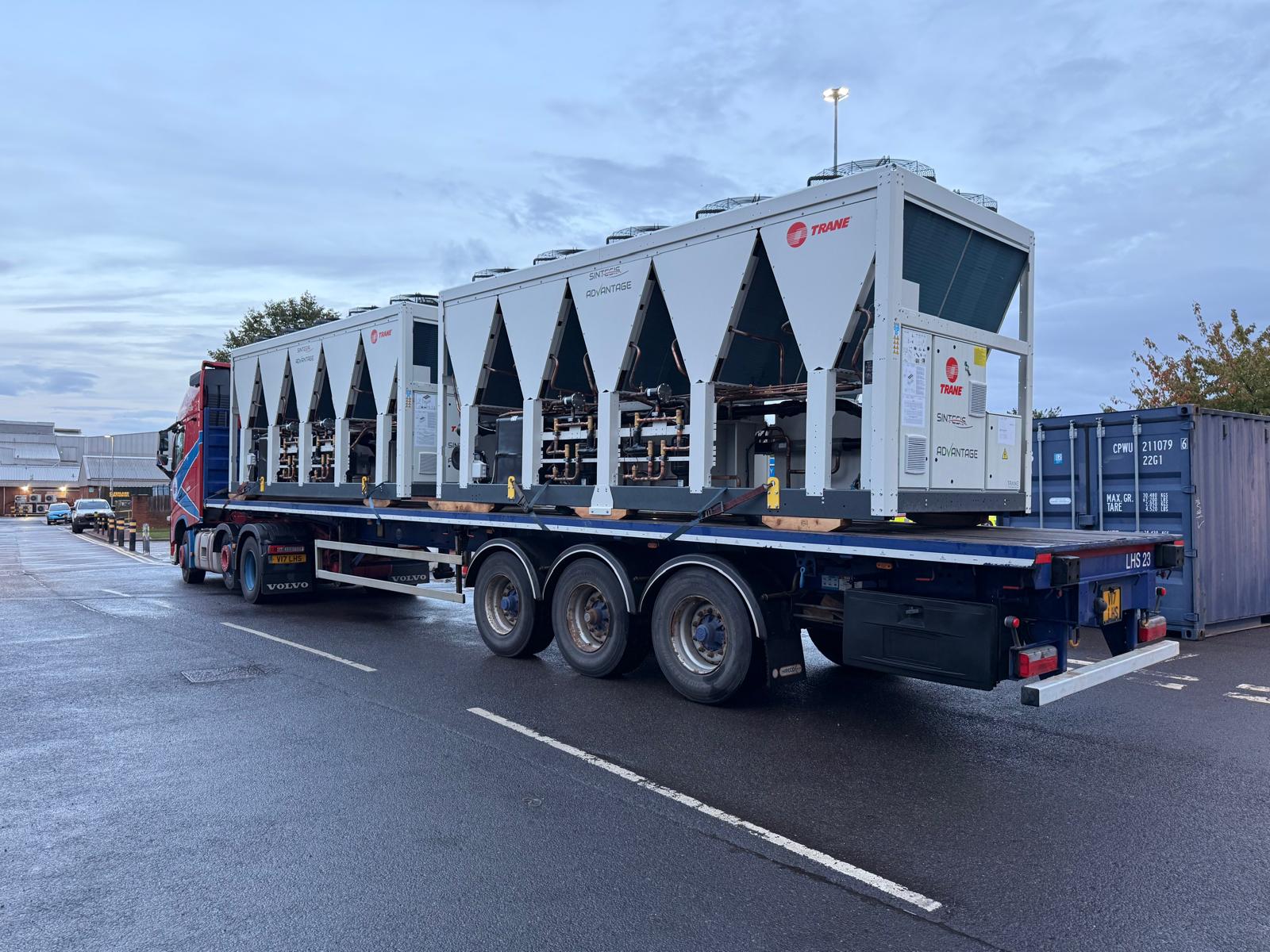
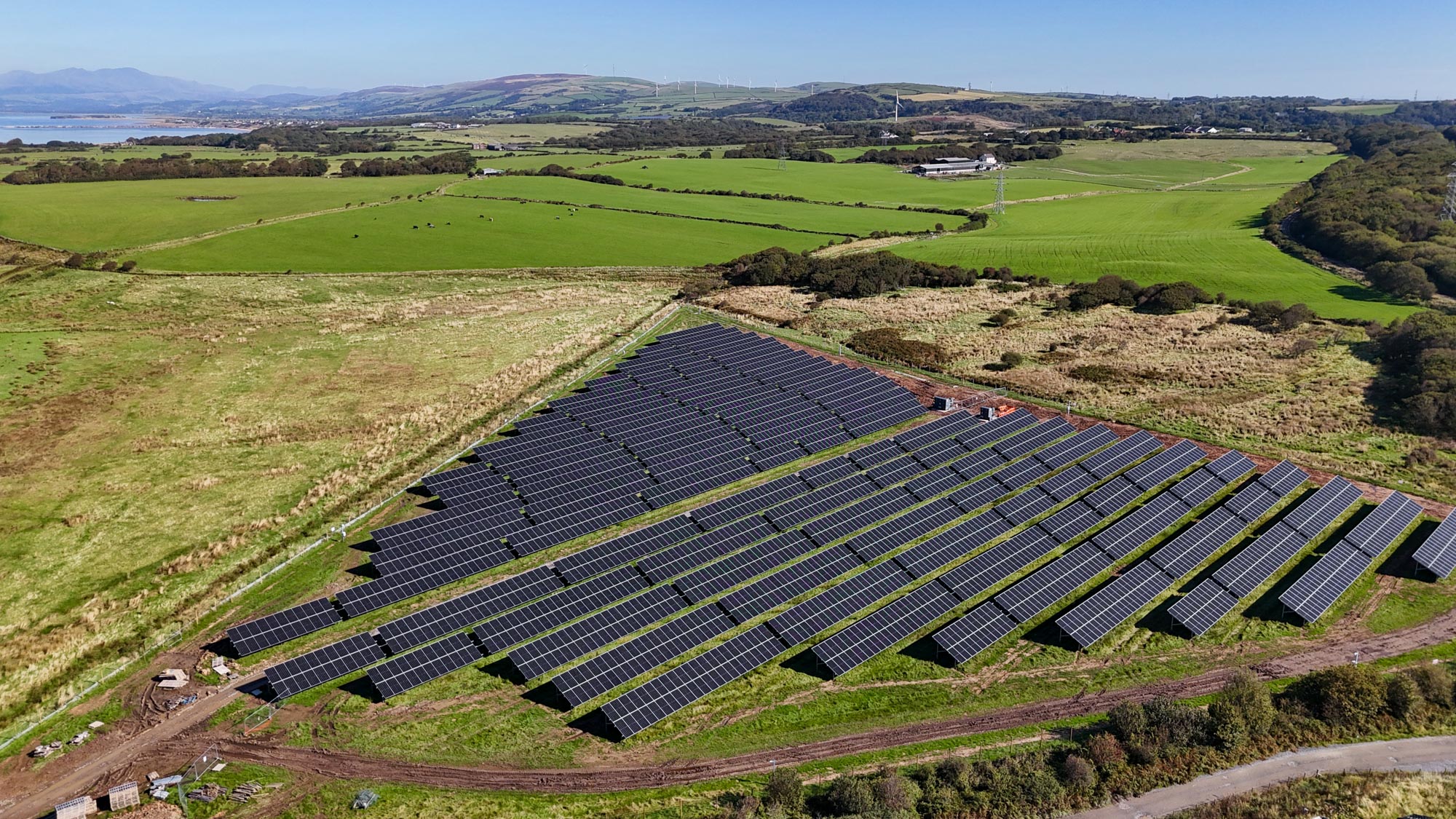
We recognise that protecting biodiversity is essential to both environmental and economic resilience. Wherever we can, we aim for our projects to contribute positively to nature. Working with local councils, communities and specialist consultants, we look for opportunities to enhance habitats, increase biodiversity and improve the long-term value of land.
For example, at Sandscale Park Solar Farm, we worked with Westmorland and Furness Council to commit to a measurable increase in biodiversity on and around the site, supported by a dedicated Biodiversity Net Gain report as part of the planning process. This approach helps ensure that our projects support wildlife and landscape quality alongside delivering clean energy.
